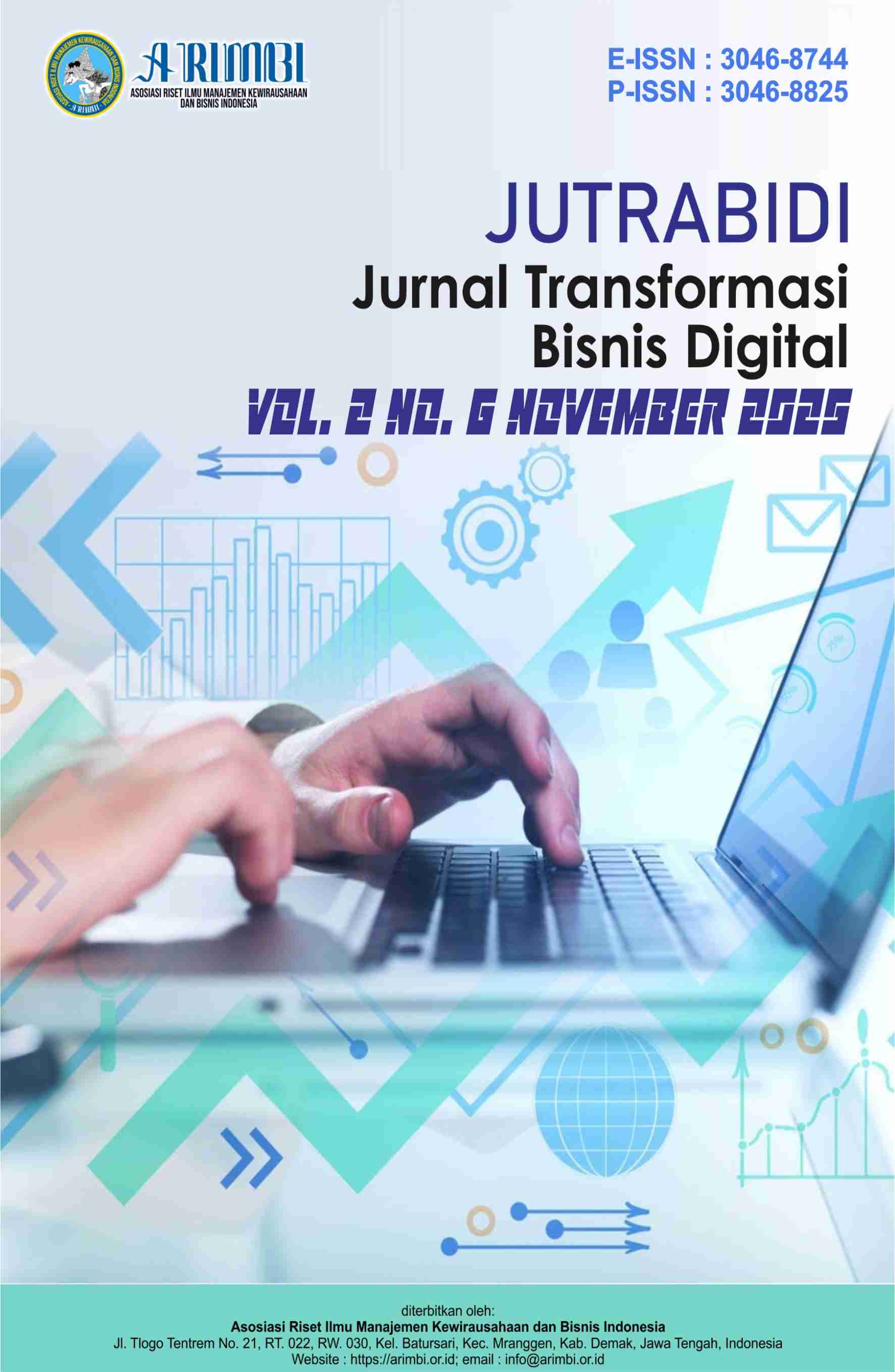
Optimalisasi Kegiatan Bongkar Muat Container pada PT Pelindo Multi Terminal Branch Sibolga
DOI:
https://doi.org/10.61132/jutrabidi.v2i6.1038Keywords:
Container Handling, Efficiency, Operational Performance, Optimization, PortAbstract
This study aims to determine how to optimize container loading and unloading activities at PT. Pelindo Multi Terminal Sibolga Branch. Container loading and unloading activities are one of the main activities in port operations that greatly affect the efficiency and productivity of maritime logistics. PT. Pelindo Multi Terminal Sibolga Branch as one of the port service providers has an important role in ensuring the flow of goods in the West Coast of North Sumatra. This study is to analyze and identify factors that affect container loading and unloading performance as well as optimization strategies to improve time, costs, and resource utilization. The methods used in this study include field observations, interviews with related parties, and analysis of historical data on operational activities. The results of the study indicate that the main obstacles come from limited equipment, lack of coordination between parties, and low utilization of information technology. Suggested optimization efforts include the addition of heavy equipment for unloading, increasing workforce training, and digitalizing monitoring and scheduling systems.
Downloads
References
Antonius, E. S. (2023). Optimalisasi keselamatan kerja pada proses bongkar muat kontainer di pelabuhan panjang (Karya tulis).
Arsyad, & Kurniawan. (2020). Optimalisasi adalah suatu proses mencari nilai terbaik atau kondisi paling efisien dari suatu sistem atau proses yang melibatkan beberapa variabel dan kendala.
Chen, L. (2022). Optimizing port terminal operations: A lean management approach. International Journal of Shipping and Transport Logistics, 14(3), 201–218.
Chen, L., & Wang, Q. (2022). Digital transformation and efficiency gains in container shipping logistics. Journal of Maritime Economics and Logistics, X(Y), 130–150.
Fitriah, R., Yuliarti, Y., & Arifin, S. (2023). Analisis faktor-faktor yang mempengaruhi produktivitas terminal petikemas. Jurnal Ilmiah Transportasi, 25(1), 1–10.
Garcia, M. (2024). Organizational restructuring for enhanced port performance. Journal of Logistics and Supply Chain Management, 11(4), 301–315.
Lee, K. (2020). Economic analysis of container terminal efficiency and competitiveness. Maritime Policy & Management, 47(5), 589–605.
Muliawan, I. N. G., Pranyoto, R., Kundori, & Gede Muliawan, I. N. (2020). Optimalisasi relokasi petikemas di pelabuhan Tanjung Perak dalam menunjang kegiatan bongkar muat pada PT. ABC. Jurnal Sains Teknologi Transportasi Maritim, 2(2), 33–40. https://doi.org/10.51578/j.sitektransmar.v2i2.26
Nur, M. (2014). Optimalisasi kegiatan bongkar muat di dermaga BICT (Belawan International Container Terminal) dalam upaya menurunkan waktu sandar.
Pratama, A., Sari, N. D., & Wahyuni, S. (2021). Penerapan algoritma genetika untuk optimalisasi penjadwalan produksi. Jurnal Teknologi Industri, 15(2), 121–130.
Republik Indonesia. (2008). Undang-Undang Republik Indonesia No. 17 Tahun 2008 tentang pelayaran.
Royzaldi, R., Fadiyah, H. S., & Nurmaliana, S. S. (2024). Peranan freight forwarding dalam pengurusan dokumen ekspor pada PT. Samudera Lautan Luas Medan. Jurnal Manajemen, 1(4), 31–42. https://doi.org/10.61132/jumaket.v1i4.387
Setiawan, B., Ginting, S., & Said, A. A. (2025). Pengurusan izin bongkar muat kapal asing di luar kawasan pabean pada kantor Bea dan Cukai oleh PT. Bahari Eka Nusantara. Pusat Publikasi Ilmu Manajemen, 3(3), 196–205. https://doi.org/10.59603/ppiman.v3i3.908
Smith, J. (2023). Advances in queueing theory for port operations. Journal of Maritime Logistics, 15(2), 123–140.
Wang, H. (2021). The role of digital technologies in smart port logistics. Journal of Port Management, 9(1), 45–60.
Downloads
Published
How to Cite
Issue
Section
License
Copyright (c) 2025 Jurnal Transformasi Bisnis Digital

This work is licensed under a Creative Commons Attribution-ShareAlike 4.0 International License.